
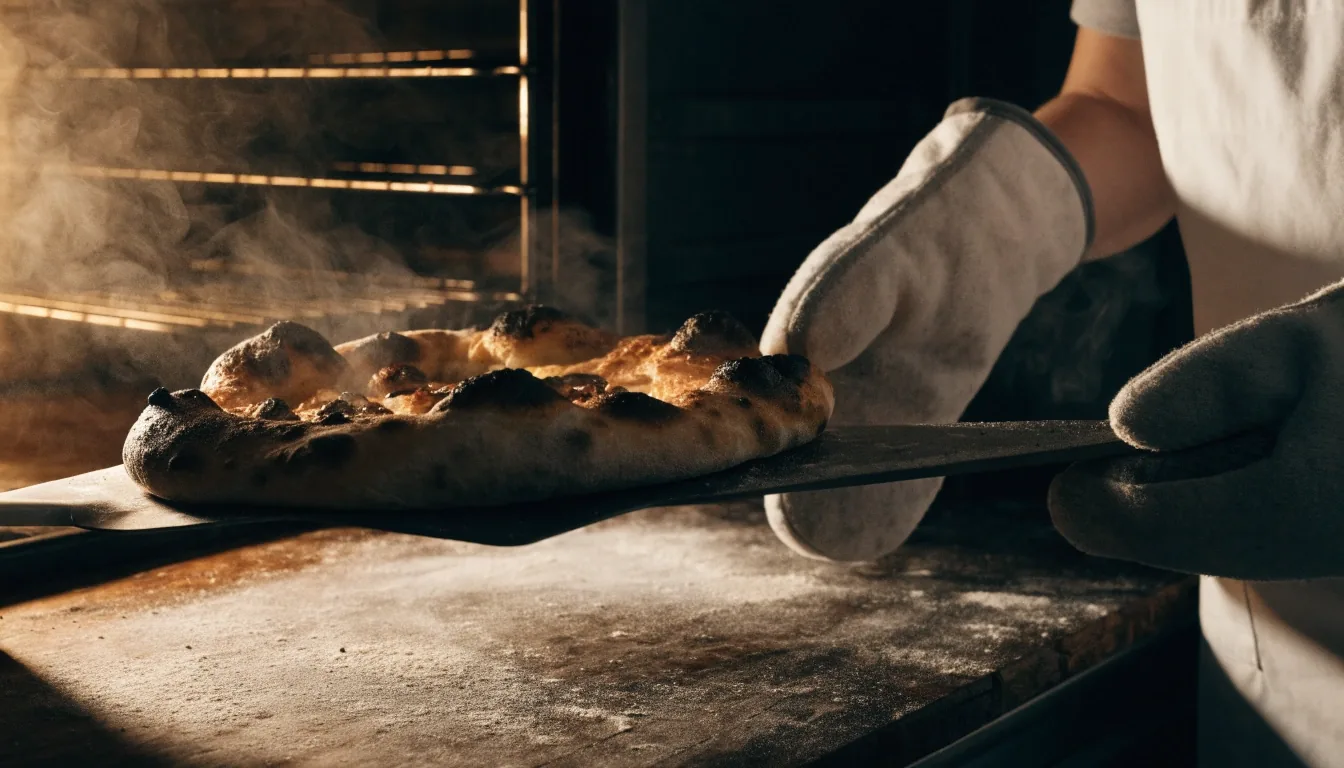
Recipe collection
Browse original pizza recipes by style
Every recipe here is written for a home kitchen, with real numbers instead of vague instructions. You will find Neapolitan, New York-style, pan, and sourdough formulas, each labeled by difficulty so you can pick the right one for your oven and your schedule. Filter by style, check the fermentation time, and bake.
How to read these recipes
Each recipe lists hydration as a baker's percentage, the flour type, fermentation time, and the bake method. That structure matters because pizza dough is a formula, not a fixed list. If you change the flour, the hydration needs to change with it. If you change the fermentation time, the yeast amount changes too.
We spell out the reasoning so you can adapt instead of following blindly. Start with the difficulty label if you are new, then read the bake method line before you commit to a dough you have never made.
Ingredient list
Flour, water, salt, yeast
Flour type sets how much water the dough can hold. Bread flour takes more, all-purpose takes less. The recipe tells you the flour it was tested on.
Timing
Fermentation window
Short ferments need more yeast and taste flatter. A cold rest of one to three days builds flavor while you get on with your week.
Bake method
Surface and heat
Steel, stone, pan, or dedicated oven. This line tells you what the recipe assumes, so you know before you start whether your kitchen can match it.
Difficulty
Beginner to advanced
We label honestly. A beginner recipe is genuinely approachable on a weeknight, and an advanced one asks for time and equipment you may not own yet.
Pan pizza
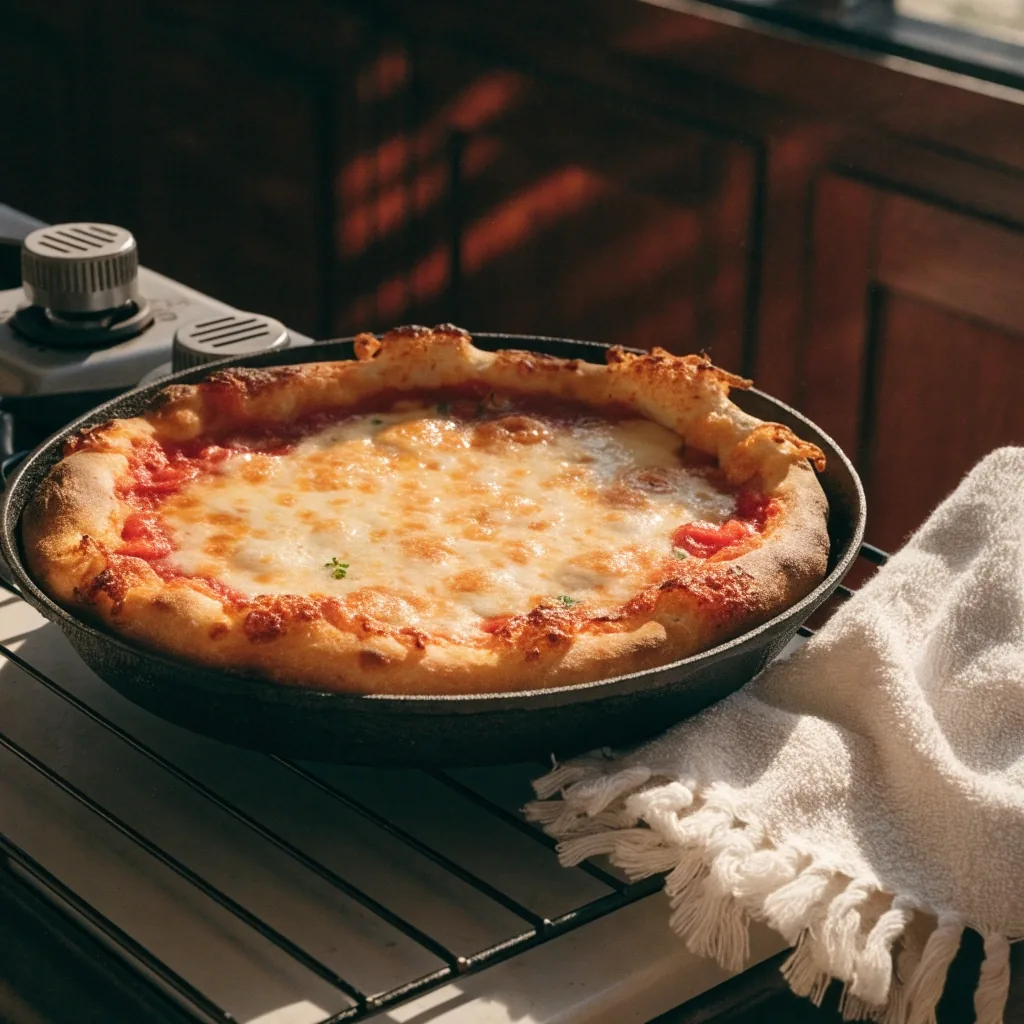
The most forgiving recipe in the collection. Thick dough, crisp edges, rich browning, and a format that works in almost any home oven. Pan pizza appeals to cooks who want a reliable result without special equipment.
It sits opposite Neapolitan in every comparison, and that is the point: one rewards precision, the other rewards patience and a good pan. If you are new to pizza, start here.
What this dough asks of you
- •A pan with sides, 10 to 12 inches, and a little olive oil in the base.
- •A standard oven at 450 to 500 degrees Fahrenheit, no steel or stone needed.
- •Patience while the crust browns at the edges, usually 15 to 20 minutes.
- •A short schedule: mix, rest, stretch, top, bake. Same day is fine.
New York-style dough
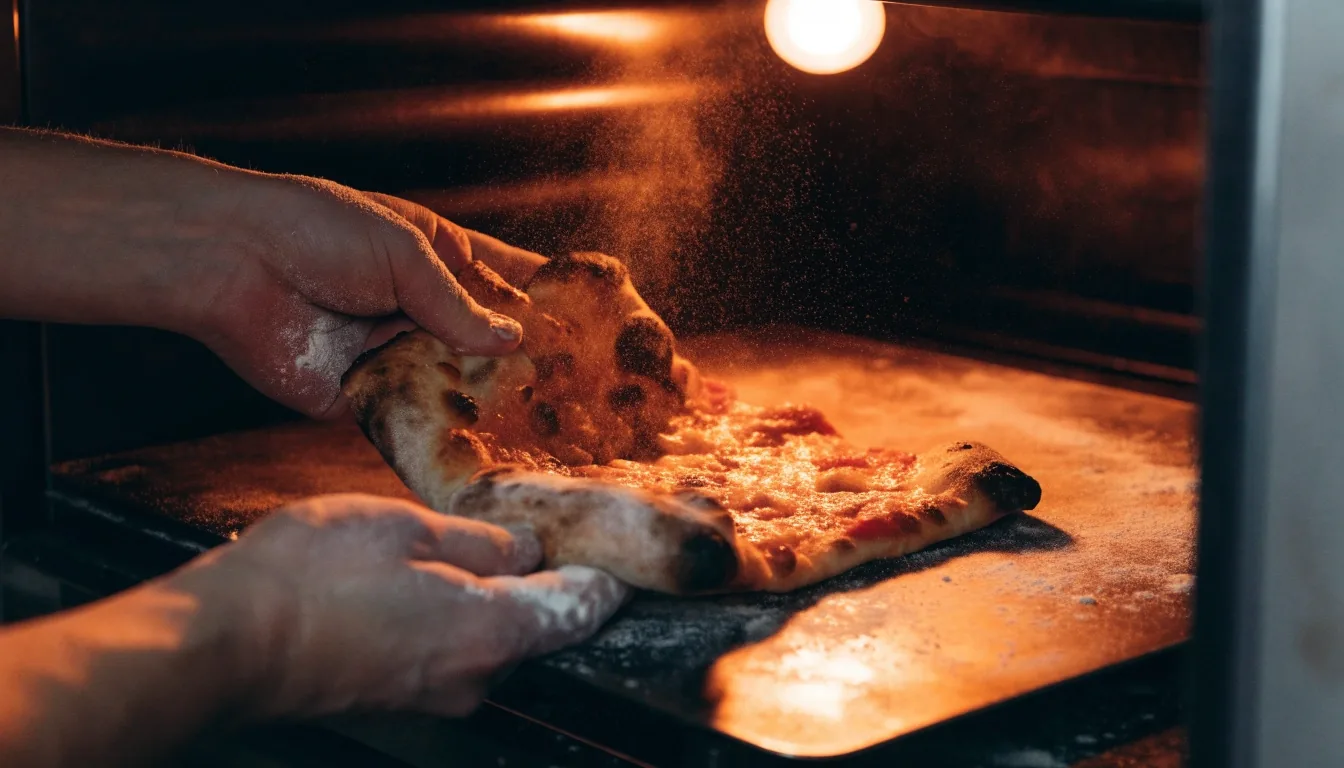
Thin, crispy, and foldable is the target, and a cold rest in the fridge is how you get there. This dough uses bread flour for gluten development and a long cold ferment for flavor. It bakes on a baking steel in a very hot home oven.
King Arthur Baking describes New York-style dough the same way, and links it to steel and high heat. If your slices snap instead of fold, your dough was likely over-baked or under-hydrated. The recipe notes tell you which to adjust.
Before you start
Check three things
- •Your oven reaches at least 500 degrees Fahrenheit, and it preheats with the steel inside for a full hour.
- •The dough gets a cold ferment of one to three days, covered, in the lower part of the fridge.
- •You stretch by hand and leave the rim untouched, so the edge can puff and blister.
Neapolitan dough
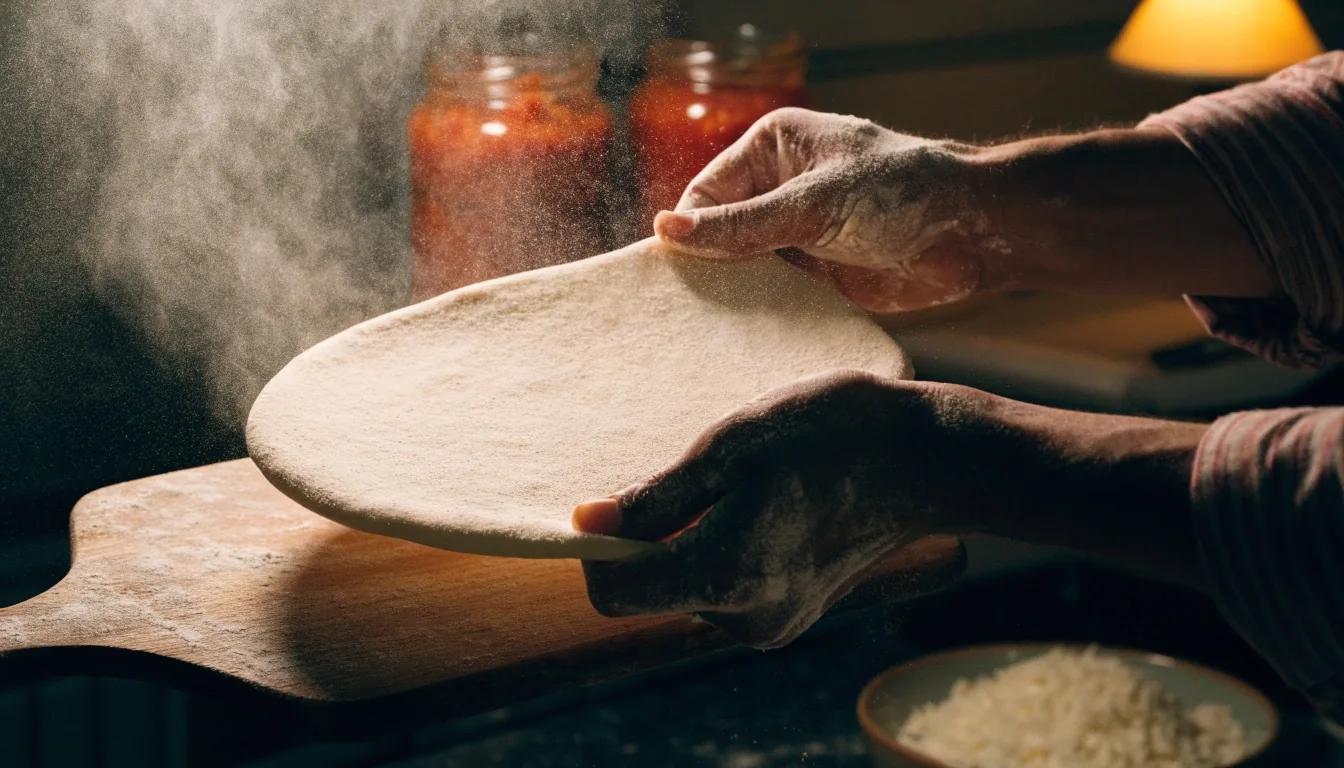
The demanding one. Neapolitan wants the highest heat you can reach and a fast bake, ideally under two minutes. The dough is soft, high-hydration, and meant to be stretched by hand, not rolled.
If your oven tops out at a standard home temperature, this style will frustrate you unless you use a dedicated pizza oven. We still include it, because the technique teaches you a lot about dough handling. Just know what you are signing up for.
For a side-by-side view of how this style differs from pan and New York, the pizza styles guide walks through each one and what it needs from your kitchen.
Compare pizza styles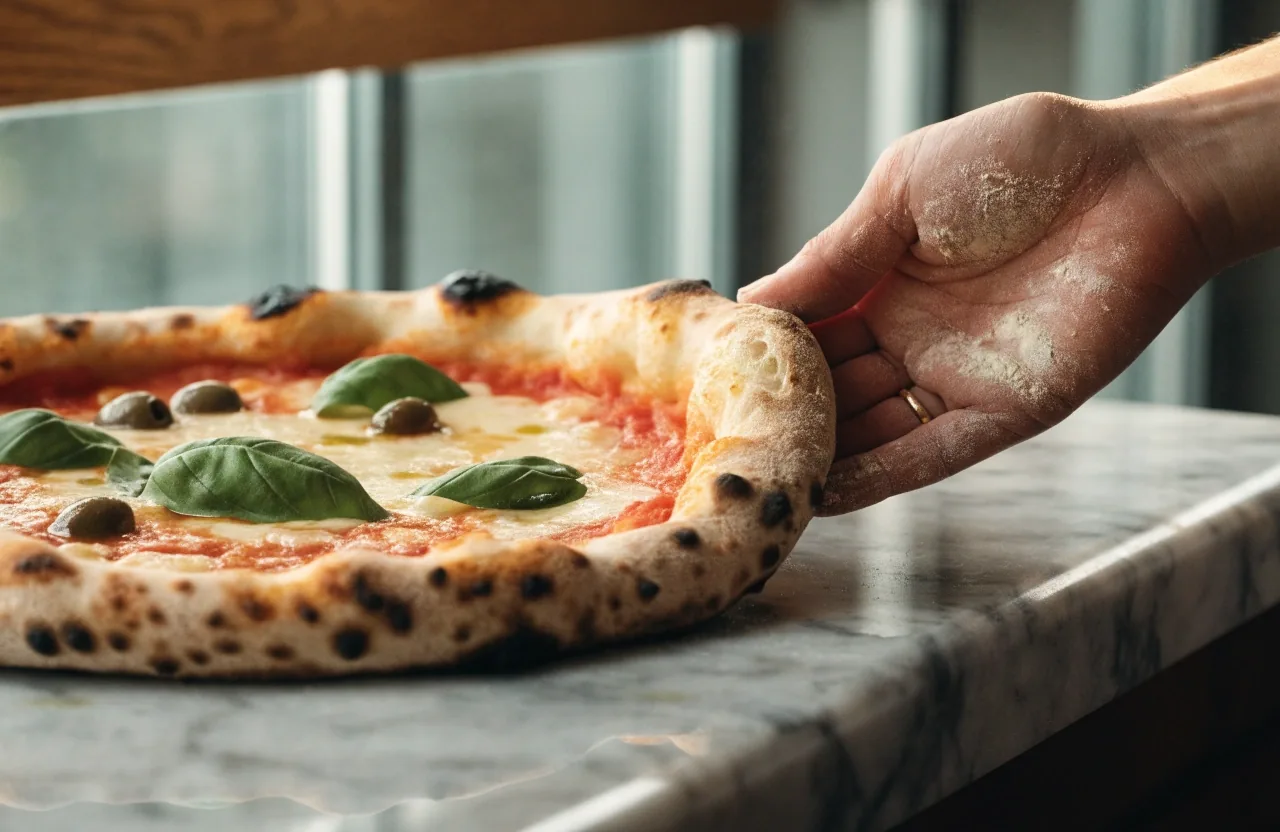
Sourdough crust
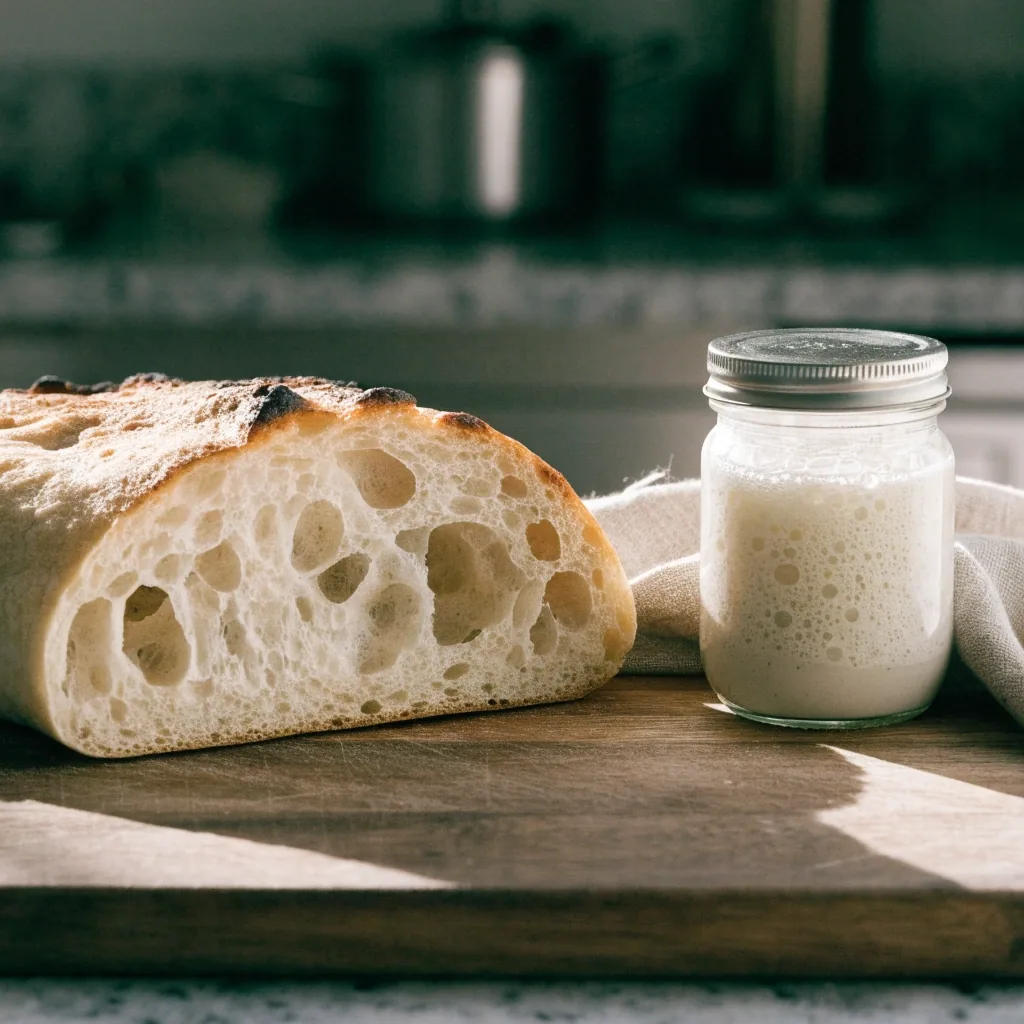
Sourdough changes the flavor and the handling at the same time. Longer fermentation builds complexity, but the dough gets softer and harder to stretch. You will need an active starter and a schedule that fits around your day.
MasterClass publishes a sourdough pizza crust recipe, and it is a common advanced-home-baker topic for good reason. The payoff is a crust with depth you cannot get from commercial yeast alone. Plan around the starter, not the other way around: feed it the night before, then build the dough when it is at its most active.
Difficulty levels explained
Beginner recipes use commercial yeast, moderate hydration, and a short schedule. Intermediate recipes add cold ferment and higher hydration. Advanced recipes involve sourdough starters, long fermentation windows, or high-heat baking. We label honestly, so a beginner recipe is genuinely approachable on a weeknight. If you are unsure, read the techniques page first. It covers the skills each level assumes.
Same-day dough
Commercial yeast, moderate hydration, and a schedule you can run after work. Pan pizza and a simple cheese pie live here. Expect two to four hours from mixing to baking.
Cold ferment
A night or three in the fridge, higher hydration, and more handling skill. New York-style dough sits here. You get better flavor and a dough that behaves if you keep it cool until it goes in.
Starter and high heat
Sourdough starters, long fermentation windows, or a bake above what a normal oven can do. Neapolitan and sourdough crusts sit here. Read the bake method before you start.
Matching recipe to oven
Your oven decides more than your skill level does. A standard home oven with a baking steel handles New York-style and pan pizza well. A high-heat pizza oven opens up Neapolitan. Sourdough works in either, but the bake time shifts. Before you pick a recipe, check the bake method line. It tells you what surface and temperature the recipe assumes. Baking Neapolitan in a home oven is possible, but it is a compromise.
Ask a recipe question| Style | Bake surface | Home oven | Fridge time |
|---|---|---|---|
| Pan pizza | Cast-iron or deep pan | Well suited | Same day, or overnight |
| New York-style | Baking steel or stone | Well suited at 500 F and above | One to three days |
| Neapolitan | Dedicated high-heat oven | Possible, but a compromise | Eight to twenty-four hours |
| Sourdough crust | Steel, stone, or pan | Works in either, bake time shifts | Twelve to forty-eight hours |
Answers before you bake
The three questions we hear most from home cooks working through the collection. If yours is not here, send it through the contact page and we will point you at the right recipe.
Which recipe should a total beginner start with? +
Pan pizza. It is forgiving, bakes in a standard oven, and does not require a baking steel or a starter. Mix the dough, let it rest, press it into an oiled pan, and bake. If the first one is a little thick or a little pale, the next one will be better.
Can I make these recipes without a baking steel? +
Yes, though New York-style benefits most from one. Pan pizza needs only a pan. Neapolitan needs high heat regardless, so a steel alone will not get you there. If you are choosing one piece of equipment, a steel is the better first buy for a standard oven.
How far ahead can I make the dough? +
Most doughs improve with a cold ferment of one to three days in the fridge. Sourdough schedules run longer. Each recipe lists the range, and the table above gives you a quick read before you open one.
Pick a dough and start baking
Read the recipe, check the bake method against your oven, and give yourself the fermentation time it asks for. If you would rather learn it hands-on, the masterclasses cover stretching, sauce, and oven management in a single session. ACF Pizza Craft is on Mulberry Street in New York, and you can reach us Monday to Friday, 9:00 AM to 6:00 PM, or Saturday, 10:00 AM to 4:00 PM.