
Introductory sessions
For cooks starting from scratch or from a few uneven attempts. We cover mixing by hand, what a properly kneaded dough feels like, and how to shape without fighting the gluten.
GET IN TOUCH
About the studio
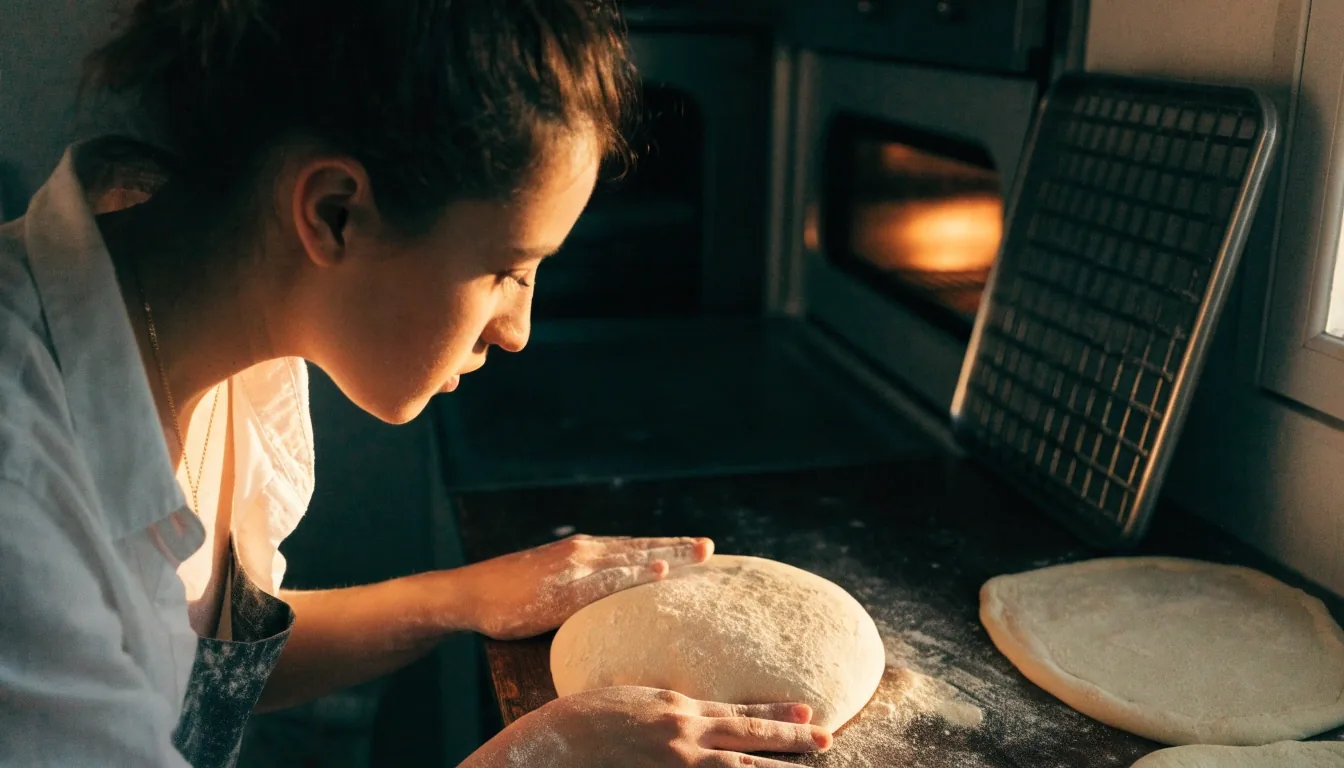
ACF Pizza Craft is a pizza education project based in New York. We write original recipes and teach hands-on masterclasses for home cooks who want restaurant-quality results without restaurant equipment. The focus is technique first: understand the dough, and the pizza follows.
Anyone can follow a recipe once. The problem is repeating it. Flour changes from bag to bag, kitchens run at different temperatures, and ovens behave differently from one apartment to the next.
So we teach the underlying skills — hydration, fermentation, gluten development, and oven setup — and we explain the reasoning behind each step. That way you can adjust when something goes wrong instead of starting over.
It is slower to learn and faster to master. Once the reasoning is clear, a failed bake tells you something useful.
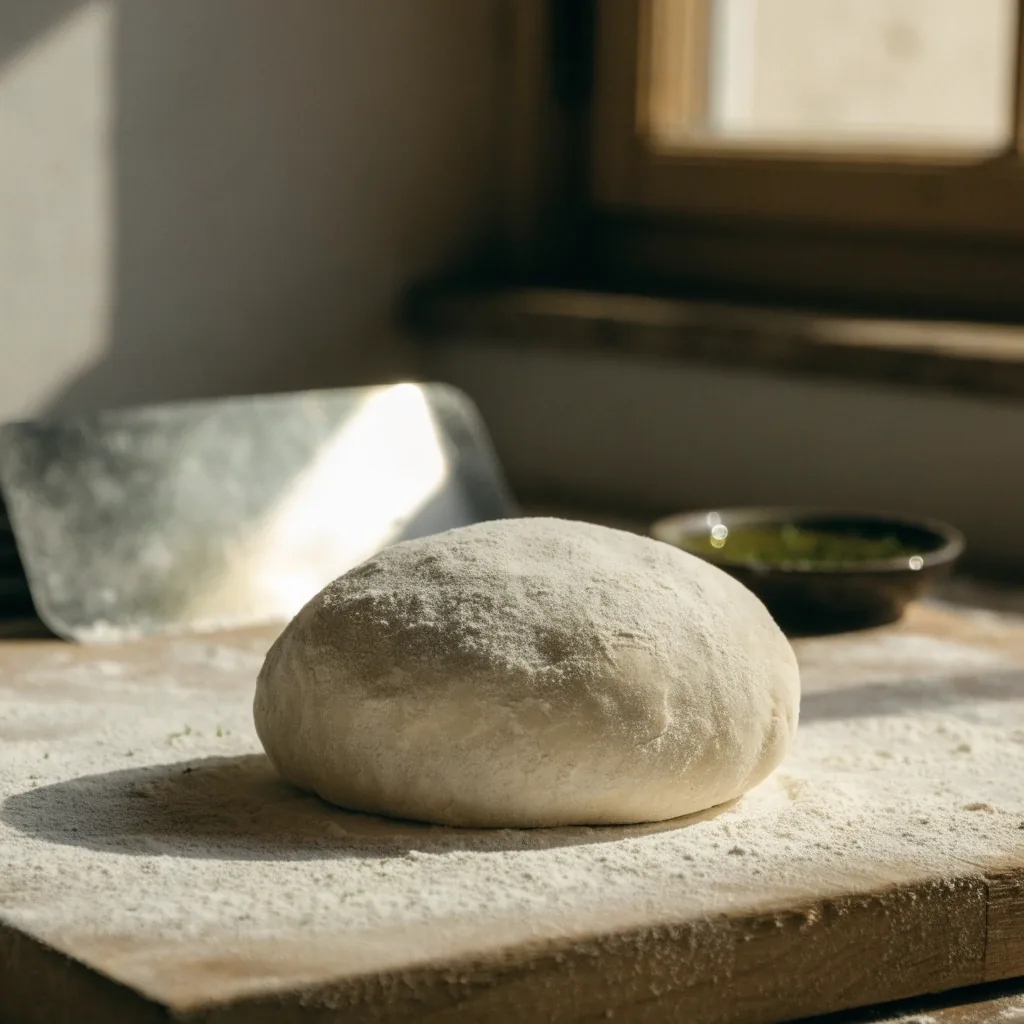
Practice the dough, repeat the bake.
Every recipe on this site comes out of our own kitchen, tested across different flours and different home ovens before it is published.
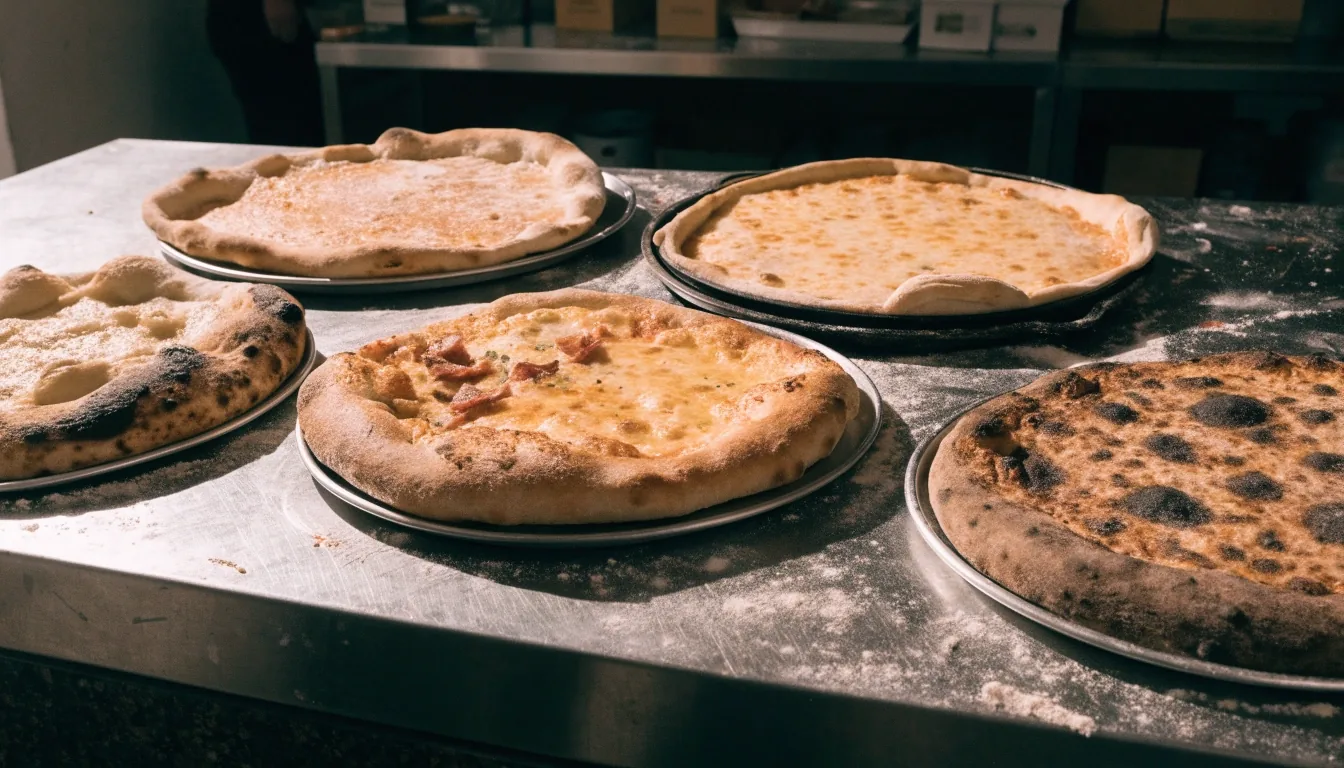
Every recipe on this site is developed and tested in our own kitchen and studio. We work through the styles we care about: Neapolitan, New York-style, pan, and sourdough. Each one gets tested across different flours and home ovens before it is published.
We keep the numbers honest, including the fermentation times and the equipment assumptions. If a recipe needs a baking steel or a starter, we say so up front.
Compare the four stylesNeapolitan
Short, hot bakes with a soft center and a leopard-spotted rim. Tested on steel at the highest rack a home oven will allow.
New York-style
A foldable slice with a chewy bite. Longer cold fermentation and a slightly sweeter sauce tested across bread flours.
Pan
Baked in cast iron or a sheet pan, with a crisp golden base and an airy middle. Written for cooks without a pizza oven.
Sourdough
A starter instead of commercial yeast, with the timelines written around a normal working day at home.
Recipes stay open-ended where it matters. Where a step depends on your flour or your oven, we say what to look for rather than handing you a number that may not transfer.
Pizza instruction has gotten more serious in the last few years. King Arthur Baking's 2026 course, Homemade Pizza: From Pan to Neapolitan, runs across the full range of styles in one program, and their content notes that Ooni and other pizza ovens reshaped the homemade pizza market. Central Milling's American Pizza Masterclass, a two-day event taught by Laura Meyer and Leah Scurto, targets professionals and newcomers.
We teach a shorter, home-equipment version of the same discipline. That means one oven instead of a bank of them, a steel or a stone instead of a wood-fired floor, and recipes sized for a kitchen that also has to make dinner on a Tuesday.
The goal is the same: dough you understand, and a bake you can repeat without a professional setup.
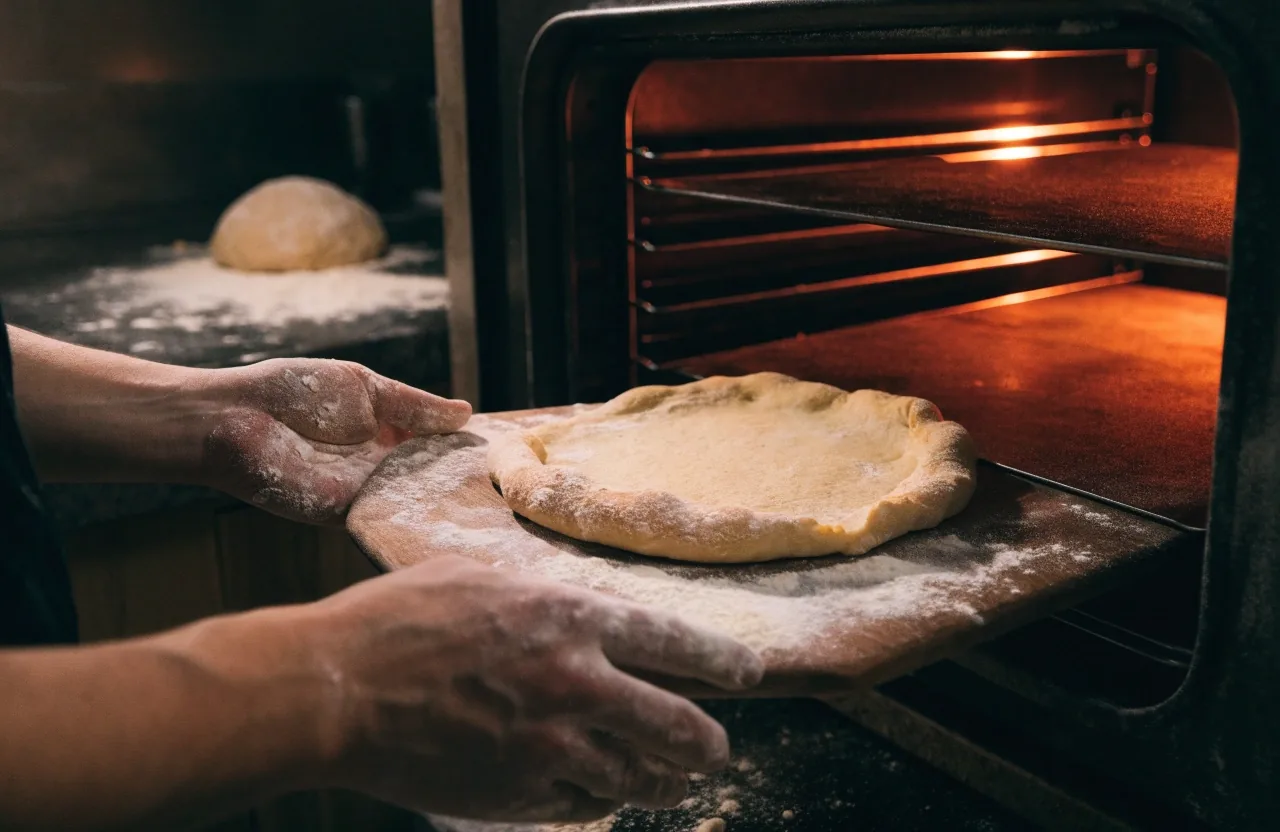
If you are deciding between formats, tell us your experience level and we will point you to the right one. Introductory sessions assume no prior dough work; technique-focused sessions start from a working bake and go after the parts that keep failing.
Home cooks, mostly. People who have made pizza a few times and want to understand why it worked or did not. Some come with a starter already going. Some have never made dough by hand.
Introductory sessions
For cooks starting from scratch or from a few uneven attempts. We cover mixing by hand, what a properly kneaded dough feels like, and how to shape without fighting the gluten.
Technique-focused sessions
For bakers who can already produce a pizza and want to fix a specific problem: a gummy center, a pale rim, a dough that springs back or tears.
Groups stay small enough that everyone gets their hands in the dough, and we keep the pace open for questions. Tell us your experience level when you get in touch and we will point you to the right format.
Read the techniques guideWe read widely on dough, and a few references stay within reach. These are not endorsements so much as evidence of the approach we share: practice the dough, repeat the bake.
Pizza Practice
Tara Jensen's technique-first book, listed in 2026 with 89 recipes, spans pizza, pita, and focaccia. The dough chapters reward reading before baking.
Perfect Pizza
The listing includes sourdough in its subtitle, which reflects how central fermentation has become in home pizza baking.
Course and masterclass listings
Programs like King Arthur Baking's Homemade Pizza and Central Milling's American Pizza Masterclass show where professional and home pizza education currently sit. Our classes sit at the home-equipment end of that range.
When a reference shapes one of our recipes, we would rather you read the original than take our summary of it.
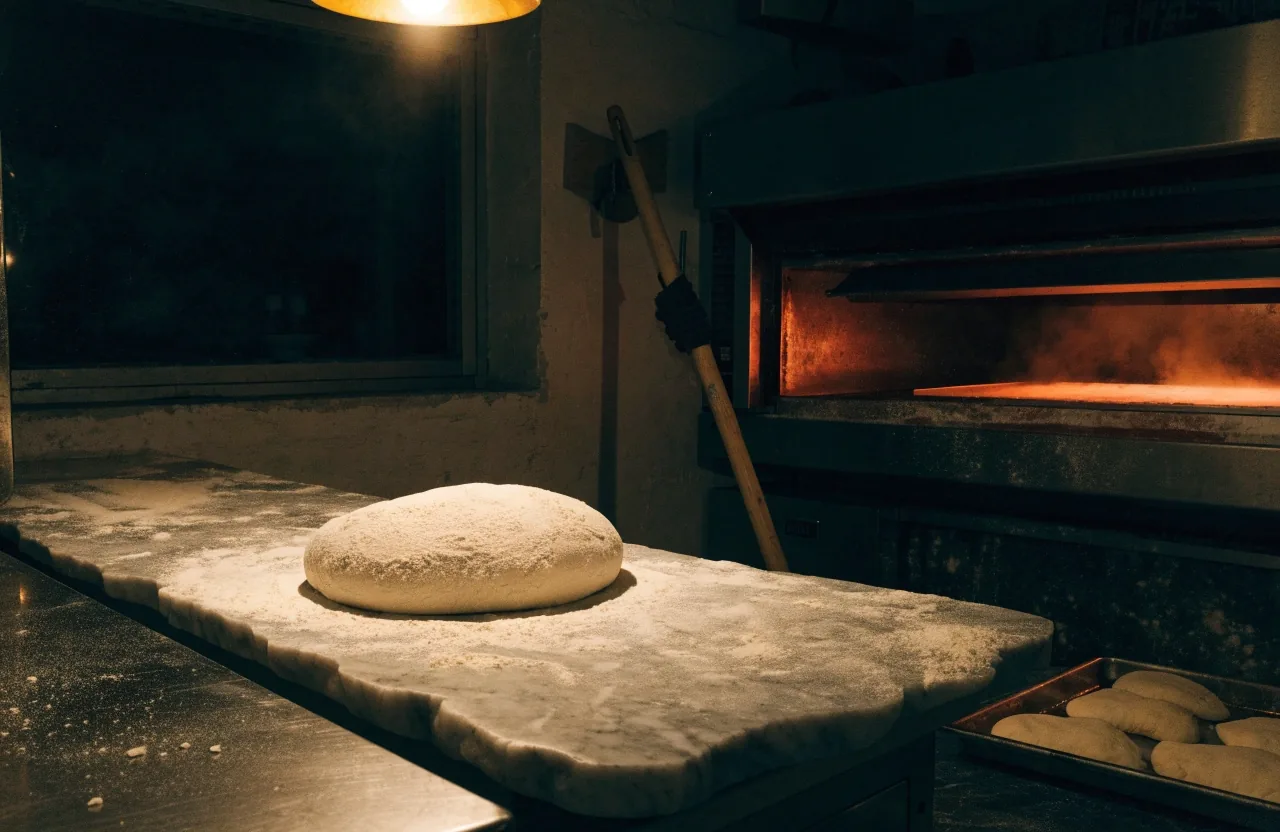
Our studio is at 482 Mulberry Street, New York, NY 10013. Classes run there, and it is where we test recipes. If you are nearby and want to see the setup before booking, get in touch and we will arrange a time.
We are a small operation, so replies come from a person, not a queue. That is also why class sizes stay limited.
Studio details
If you want the reasoning behind the bakes before you book anything, start with the techniques guide. If you already know which style you want to learn, the masterclass formats page shows how the sessions are grouped.