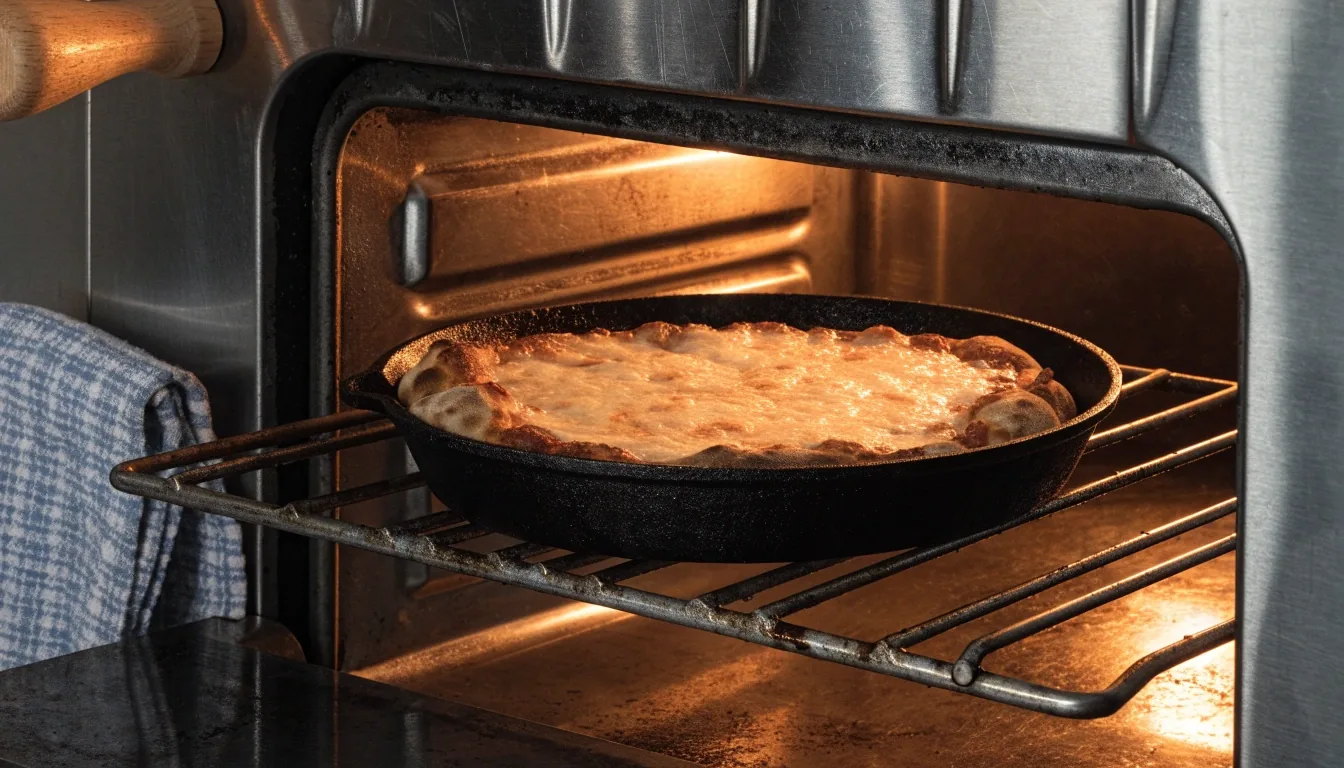
A thick pan pizza baking in a cast-iron skillet inside a home oven

Pizza styles guide

Compare Neapolitan, New York, pan, and sourdough

Four styles, four different doughs, four different ovens. The right choice depends less on what you like eating and more on what your kitchen can actually do. This guide compares them honestly, including which ones need equipment you may not own yet.

The short version

If you're new, start with pan pizza. If you want the classic foldable slice, go New York-style. If you have a high-heat oven that reaches Neapolitan temperatures, that is your style. Sourdough sits apart — it is a method as much as a style, and it rewards patience over precision.

  • New to baking Pan pizza — forgiving, works in a standard oven, no steel or starter required.
  • Classic slice New York-style — thin, crispy, foldable, built on a cold ferment and a baking steel.
  • High-heat oven Neapolitan — soft, blistered, baked in under two minutes at very high temperature.
  • Flavor through time Sourdough — a longer ferment, a softer dough, and a deeper flavor payoff.
A baker stretching wet Neapolitan pizza dough by hand on a floured counter

Neapolitan: high heat, fast bake

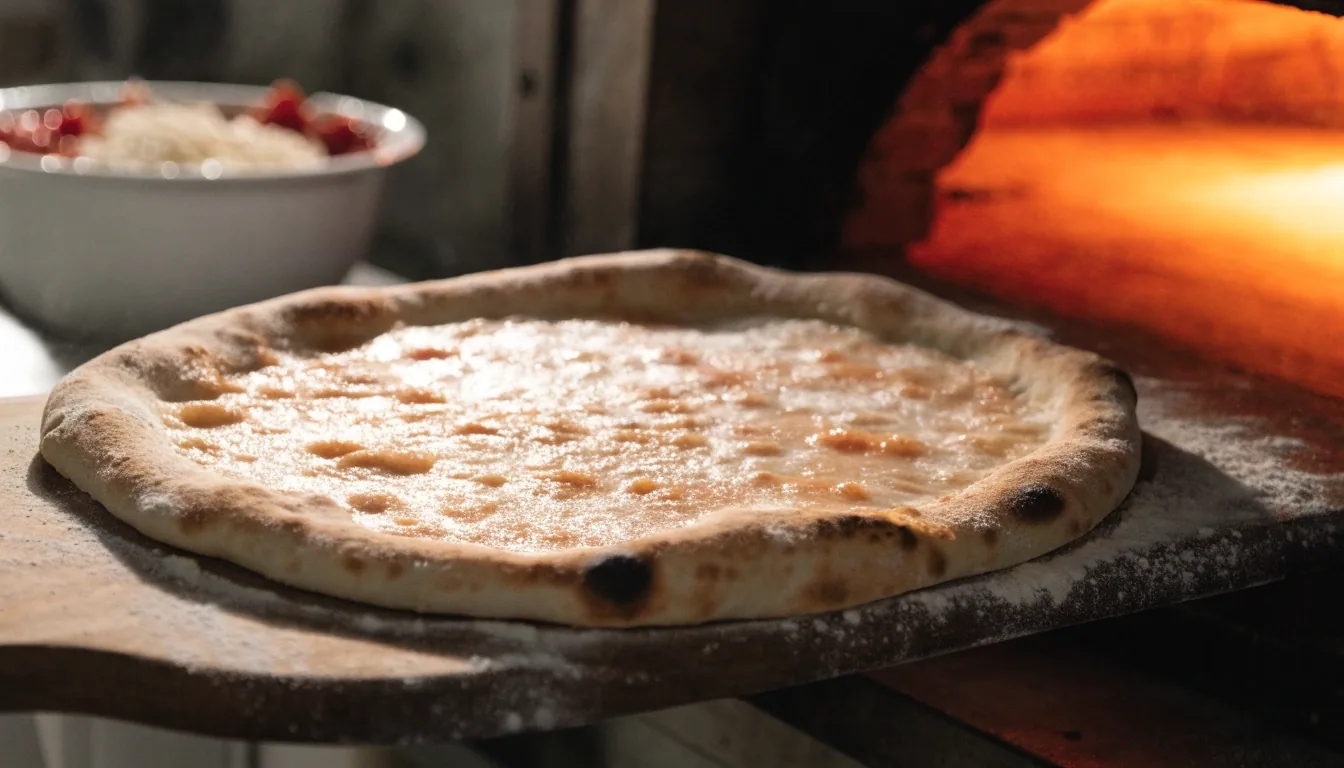
Soft, blistered, and baked in under two minutes at very high temperature. The dough is high-hydration and stretched by hand. This style is unforgiving of a weak oven: a standard home oven will produce something closer to a soft flatbread than a true Neapolitan.

If you own a dedicated pizza oven, this is your style. If not, learn the technique anyway. It sharpens your dough handling more than any other style, and the transferable skills — shaping, launching, reading the bake — carry straight into everything else you make.

New York-style: thin, crispy, foldable

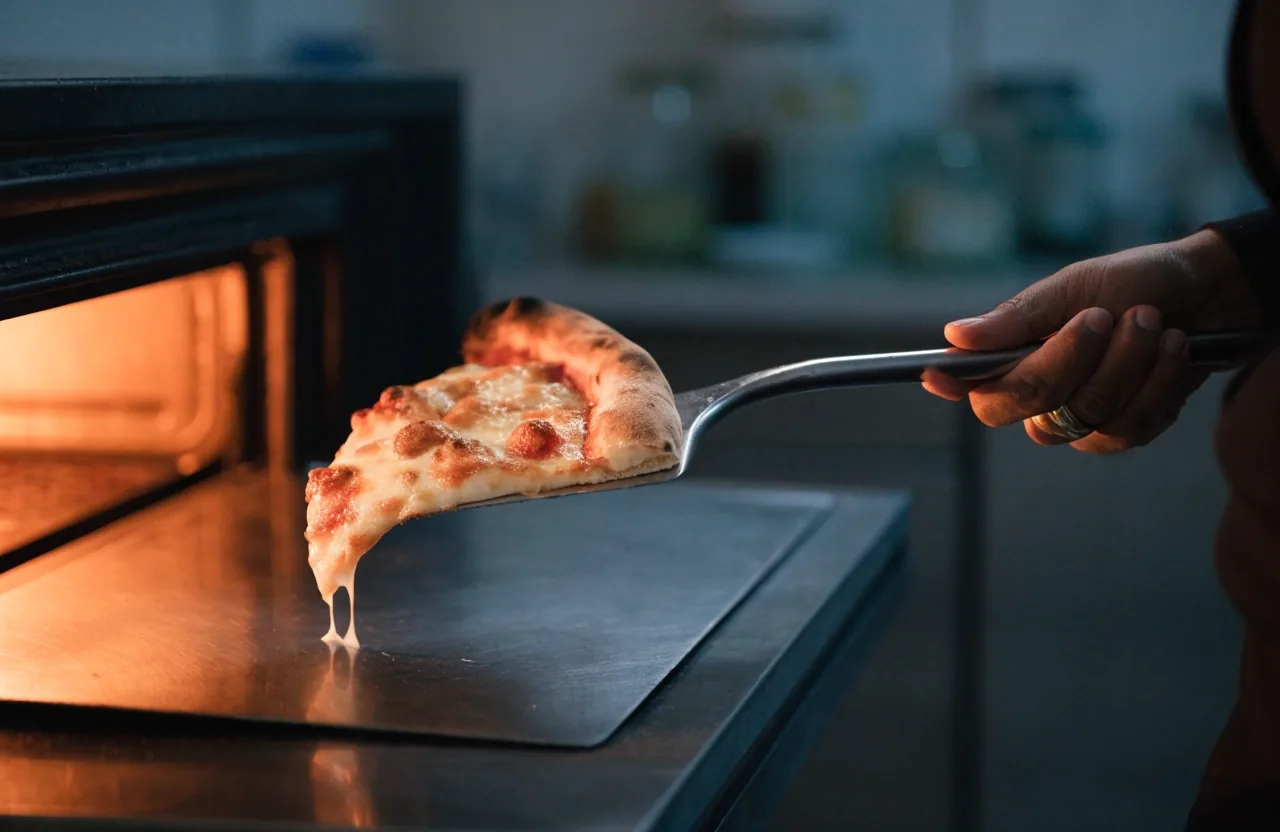
The benchmark most U.S. home bakers chase. King Arthur Baking describes New York-style dough as thin, crispy, yet foldable, and ties it to a baking steel and a very hot oven. Allrecipes offers a New York-style dough with a cold rest, which is the other half of the equation. Cold ferment for flavor, steel for browning, short bake for structure.

Get those three right and the fold happens naturally. The cold rest is where most home bakers rush: a day in the fridge gives the dough time to develop flavor and relax enough to stretch without fighting back. The steel preheats for at least forty-five minutes before the first pie goes in. This is the style we get the most questions about, and the one most people are closer to nailing than they think.

A baked New York-style pizza on a baking steel inside a home oven

Pan pizza: the forgiving one

Thick dough, crisp edges, and rich browning in a home-oven-friendly format. Pan pizza appeals to cooks who want a reliable result without special equipment, and it's the most accessible route to a golden, home-baked pizza.

It frequently sits opposite Neapolitan in comparisons, and the contrast is useful: one rewards precision, the other rewards patience. The dough proofed in the pan does most of the work. If your oven is modest and your schedule is tight, start here.

Standard oven · no steel required
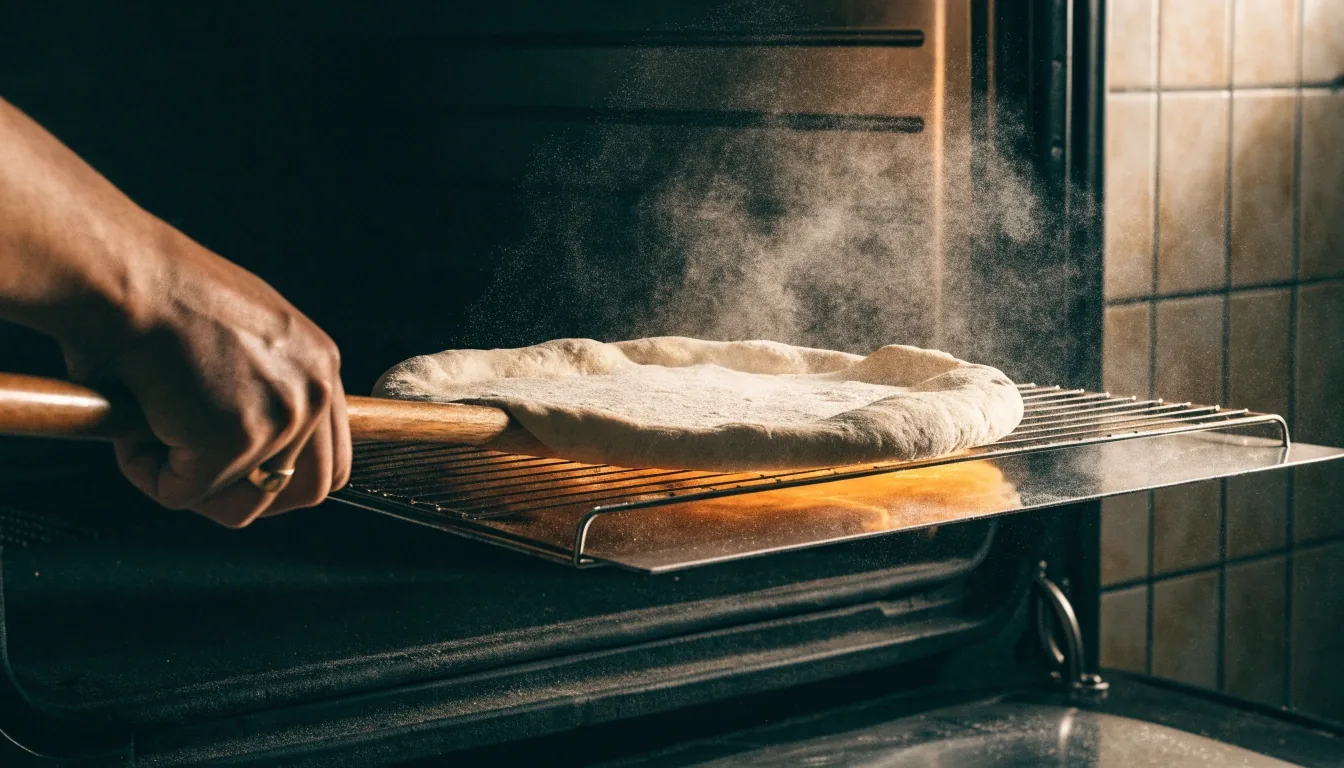
Sourdough: flavor through time

Sourdough is less a style than an approach, and it changes both flavor and handling. Longer fermentation builds complexity, but the dough becomes softer and harder to stretch. MasterClass publishes a sourdough pizza crust recipe, and it's a common topic among advanced home bakers.

The Perfect Pizza book listing includes sourdough in its subtitle, which tells you it's treated as a serious category, not a novelty. You'll need an active starter and a flexible schedule. The payoff is a deeper, tangier crust that a fast commercial-yeast dough simply cannot reach.

Active starter · flexible schedule

A seasoned baking steel on a home oven rack with a dough on a peel nearby

Equipment: steel, stone, or oven

A baking steel is often the secret behind better bottom crusts because it's more conductive than a stone. It's central to serious home setups and the best single upgrade for a standard oven. A stone works too, just slower.

A dedicated pizza oven is only necessary for true Neapolitan heat. Pan pizza needs none of the above. Buy the steel before you buy the oven, unless Neapolitan is your goal — the steel costs a fraction of a dedicated oven and improves every other style on this page.

How to pick your first style

Match the style to your oven, then to your schedule. Don't start with the hardest one just because it looks best. You'll learn faster with a style that lets you bake often.

  1. Setup one Standard oven, a free evening Pan pizza. Mix, proof in the pan, bake. No special equipment and a schedule that fits a weeknight.
  2. Setup two Standard oven, a baking steel, and a fridge New York-style. Cold ferment for a day, then a hot steel and a short bake. This is the sweet spot for most home kitchens.
  3. Setup three High-heat oven and a free weekend Neapolitan. High-hydration dough, hand-stretched, baked fast. It rewards a dedicated oven and careful dough handling.
  4. Setup four Active starter and patience Sourdough. Feed the starter, plan a longer ferment, and expect a softer dough that needs a gentler hand.

Questions before you choose

The three we hear most often from home cooks comparing styles for the first time.

Which style is easiest for a beginner?

Pan pizza. It's forgiving, works in a standard oven, and doesn't need a steel or a starter.

Can I make Neapolitan pizza in a regular home oven?

You can bake a similar dough, but true Neapolitan needs very high heat and a fast bake. A home oven will give you a softer result.

Is sourdough pizza harder than regular pizza?

It's less predictable because fermentation depends on your starter and room temperature. The handling is also softer. The flavor payoff is real, but start with a commercial-yeast dough first.

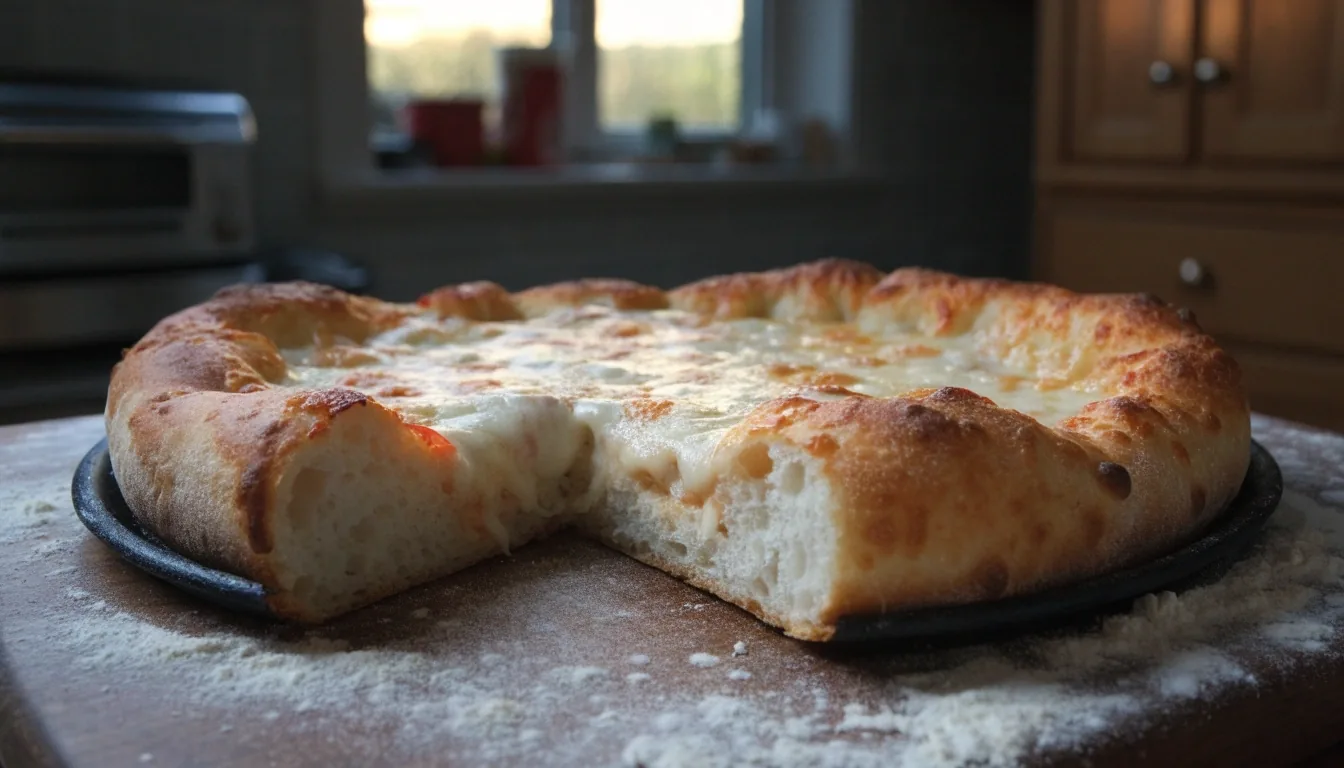
A finished pizza cooling on a wooden board in a home kitchen at dusk

Still not sure which style suits your oven?

Tell us what you bake in and how much time you have. We'll point you at the right style to start with, and the recipe or masterclass that matches it. You can also write to us at 482 Mulberry Street, New York, or call +1-212-555-0194 during opening hours, Monday to Friday 9:00 AM – 6:00 PM and Saturday 10:00 AM – 4:00 PM.