
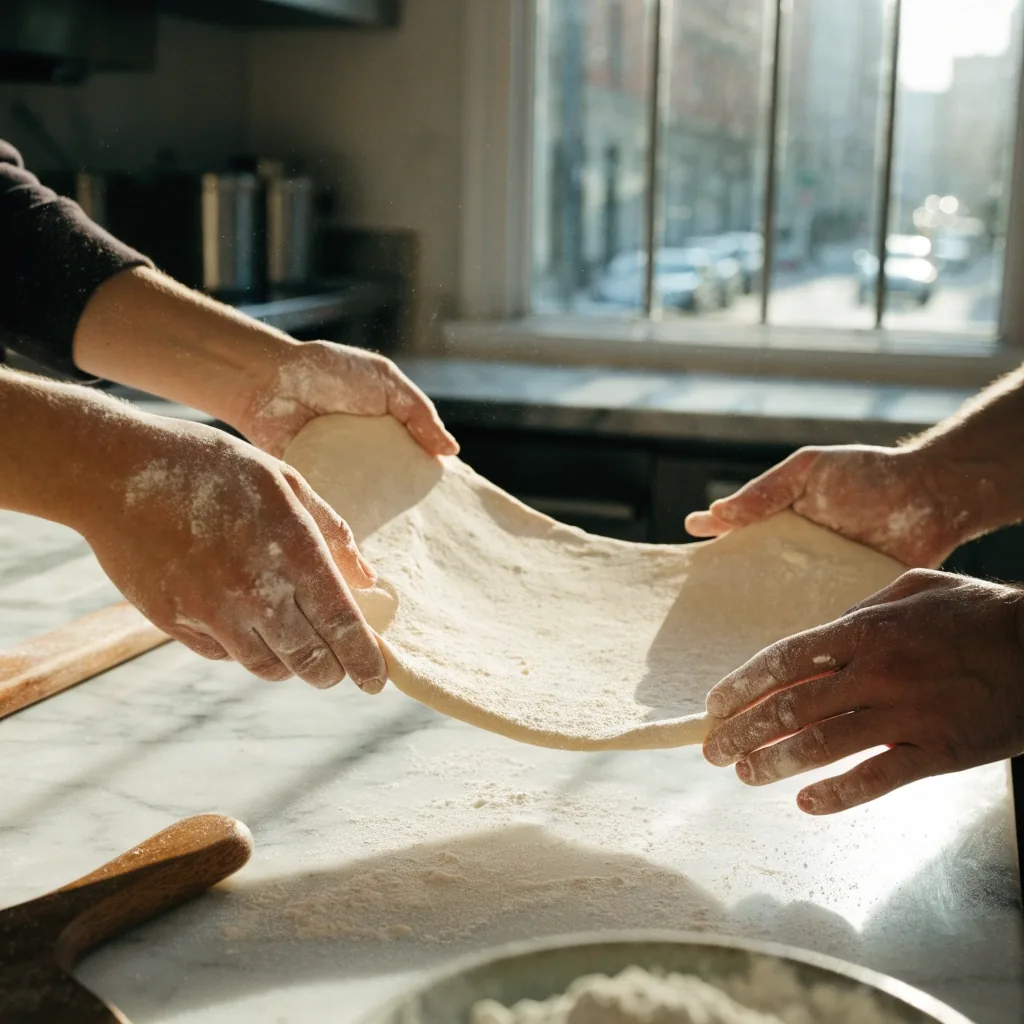
Hands-on sessions · Mulberry Street, Manhattan
Hands-on pizza masterclasses in New York
Small groups at 482 Mulberry Street. You mix dough, learn to stretch it, bake it at high heat, and eat the result before you leave. The aim is a process you can repeat at home without us standing next to you.
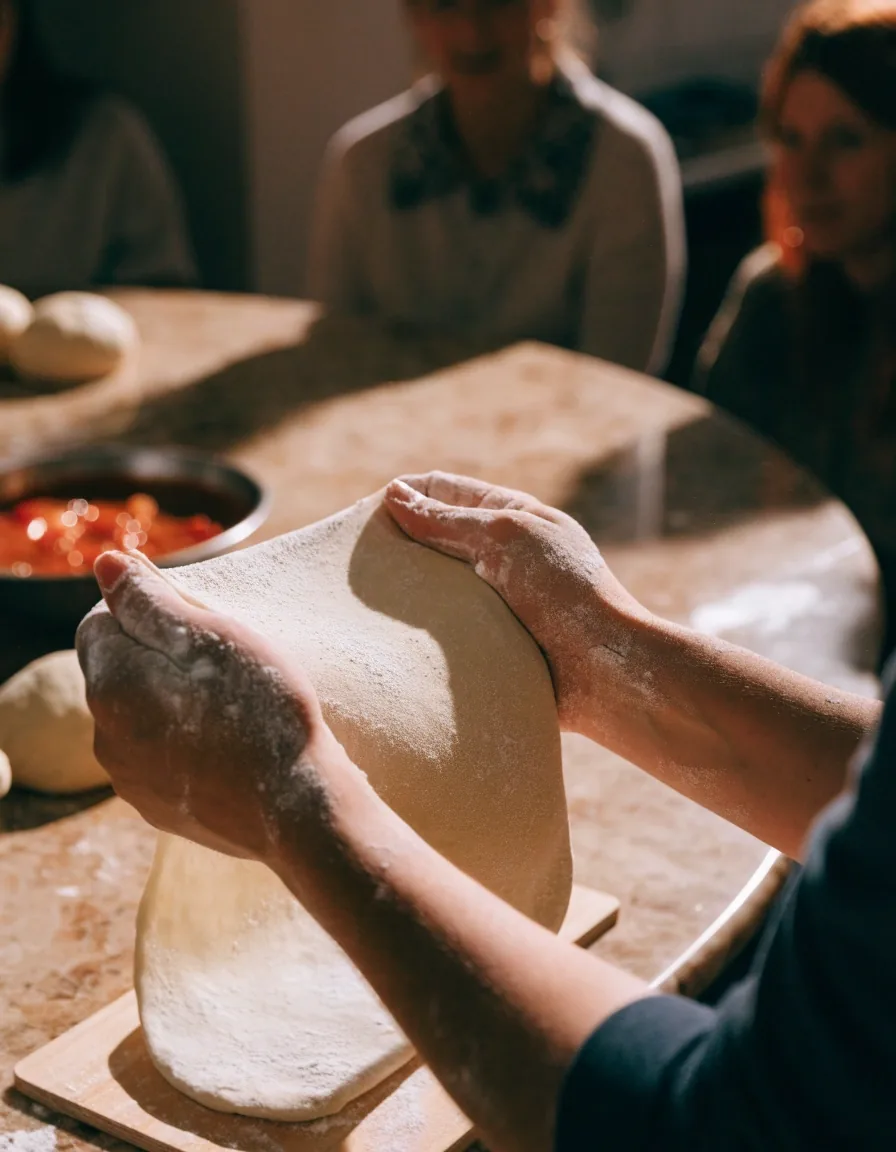
What a session actually looks like
You start with flour, water, salt, and yeast, and you learn why the ratios matter before you touch a mixer. From there the class moves through mixing, gluten development, and the first rest. Then stretching, topping, and the bake.
Each session ends with you baking your own pizza and comparing it to the class example on the same bench. Groups stay small so everyone gets their hands on dough. Expect to leave with flour on your sleeves and a written process you can follow at home.
- Mixing and hydration, before any kneading
- Gluten development and the first rest
- Stretching, topping, and loading the oven
- Eating your bake beside the class example
Baker's percentage
Dough hydration and baker's percentage
Hydration is the single number that changes everything about how a dough feels. We teach it as a baker's percentage, so 65% hydration means 65 grams of water for every 100 grams of flour. Once that clicks, you can scale any recipe up or down and adjust for the flour you actually buy.
This is the part most home cooks skip, and it is the part that makes everything else easier. Bring a notebook.
Style
Hydration
What it changes
Neapolitan
62–66%
Open crumb, fast high-heat bake
New York-style
60–63%
A dough that stretches and holds a fold
Pan pizza
70–75%
Soft, oil-rich, pressed into the pan
Sourdough
68–72%
Slower ferment, tangier finish
We mix dough at the percentage that suits the style you came to learn, then adjust it once so you feel the difference on the bench.
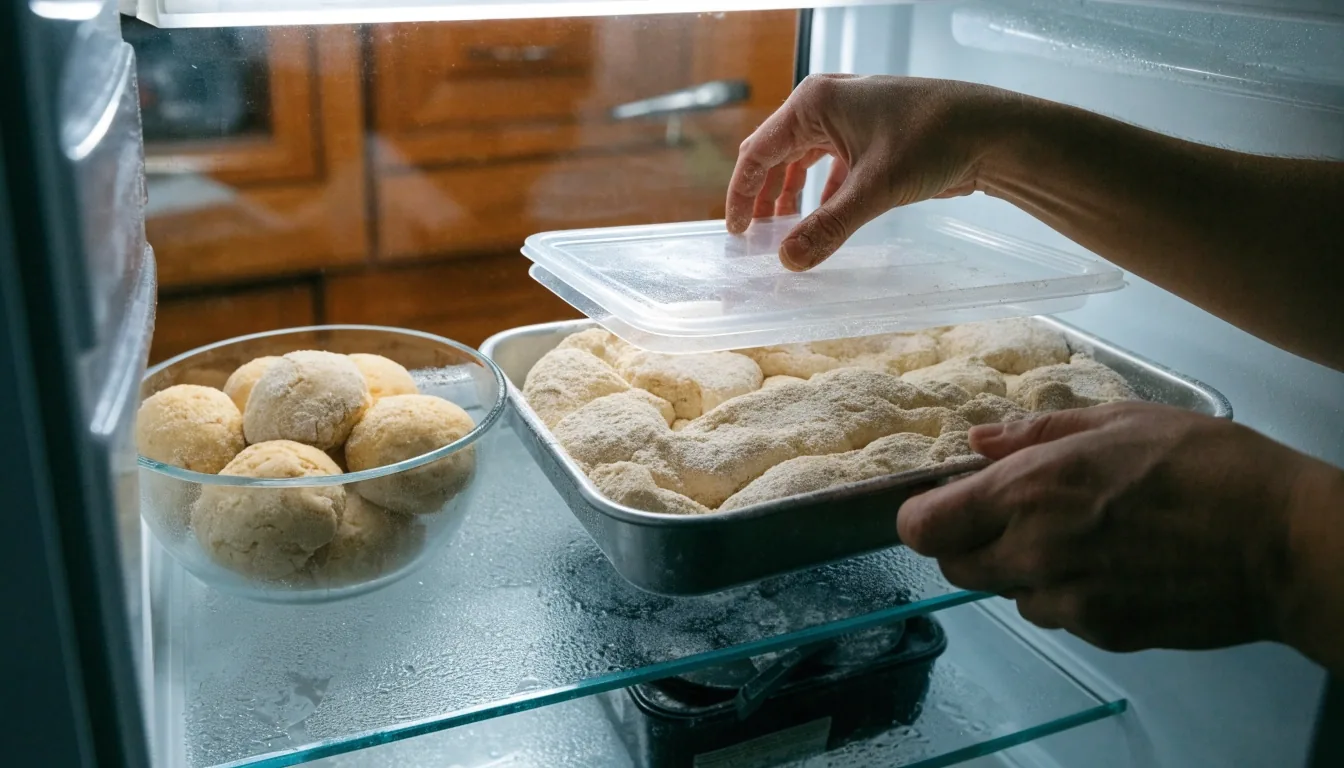
Cold ferment and flavor
Time builds flavor in ways that yeast amount alone cannot. A cold ferment in the fridge slows the dough down and develops complexity while you sleep. We cover how long, how cold, and how to tell when a dough is ready.
We also explain room-temperature proof for same-day bakes, and when each approach makes sense for the week you actually have. If you have wondered why your pizza tastes flat, this session usually answers it.
- Fridge
- Roughly 38–40°F, one to three days, lid on and seam down.
- Ready when
- It holds a thumb dent and pulls back slowly, not at once.
- Same day
- Room-temperature proof, warmer kitchen, bake the same evening.
Gluten development and the windowpane test
Good dough stretches without tearing, and gluten development is how you get there. We teach stretch and fold, and the windowpane test, so you can check your dough by feel instead of by clock. You will see what under-developed and over-developed dough look like side by side on the same bench.
That comparison is worth more than any written instruction. It is the skill that carries over to bread, focaccia, and pita too.
Read the techniques guide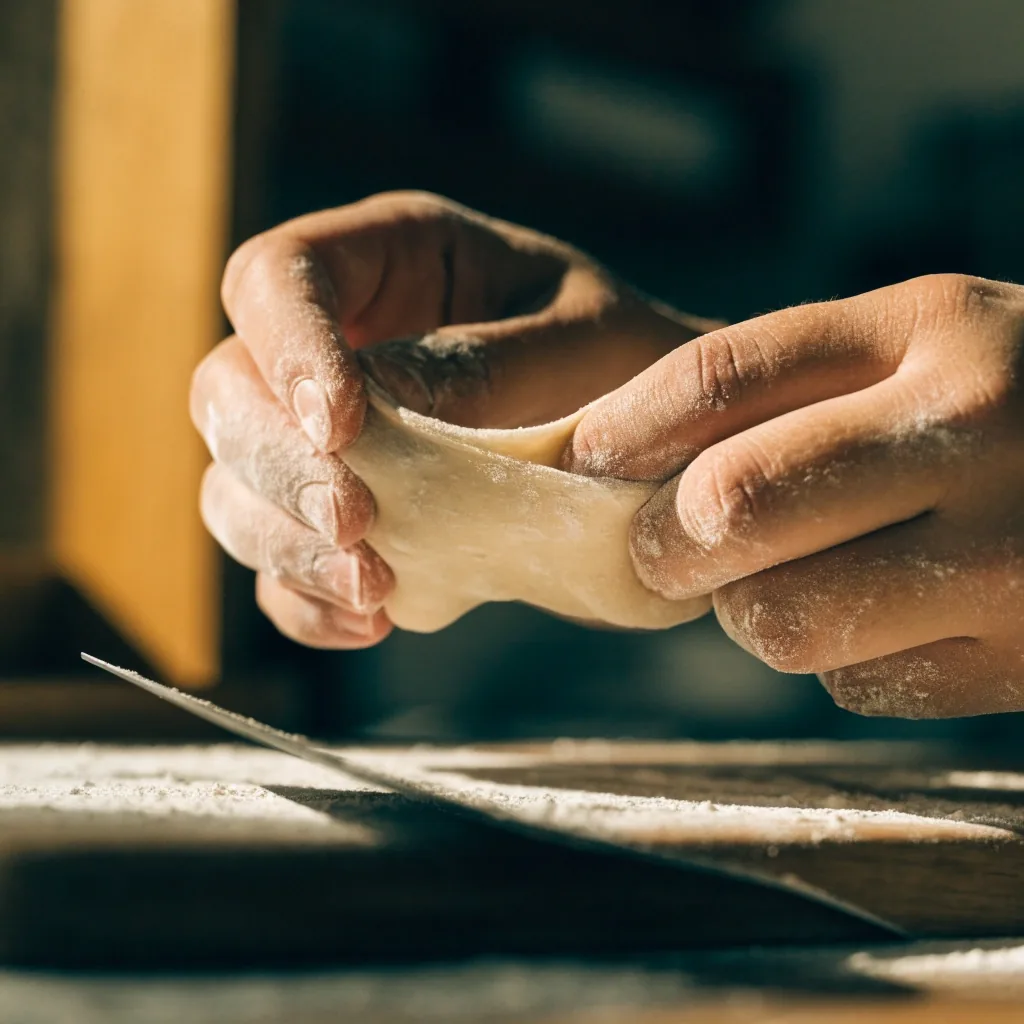
High-heat bake and oven spring
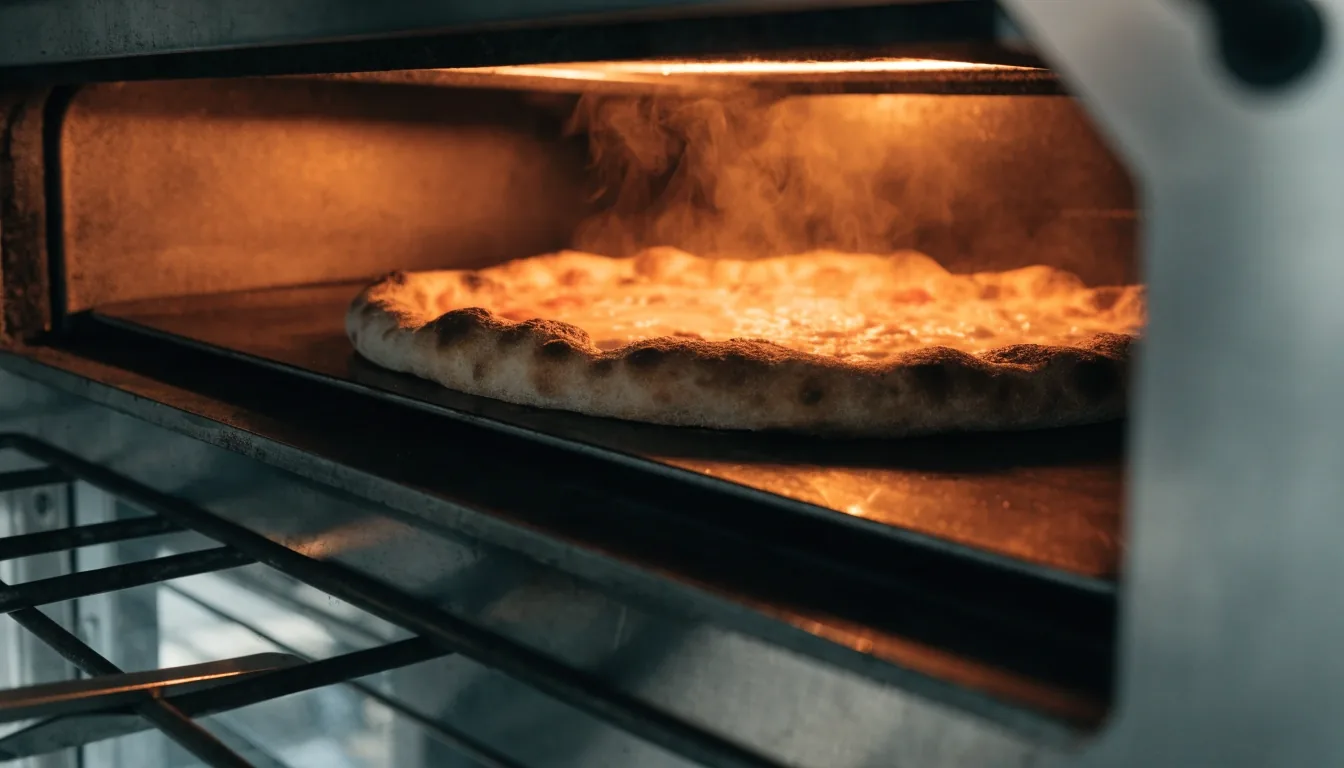
Oven spring is the rise you get in the first minutes of baking, and it depends on heat, dough strength, and how you load the pizza. We cover baking steel setup, preheat times, and rack position for standard home ovens. For those with a dedicated pizza oven, we go through high-heat loading and turning.
This is where a blistered crust happens or does not. The techniques page previews much of this, but the class is where you feel it under your hands.
- Steel or stone. Fully preheated, top third of the oven, roughly one hour at the highest setting your oven allows.
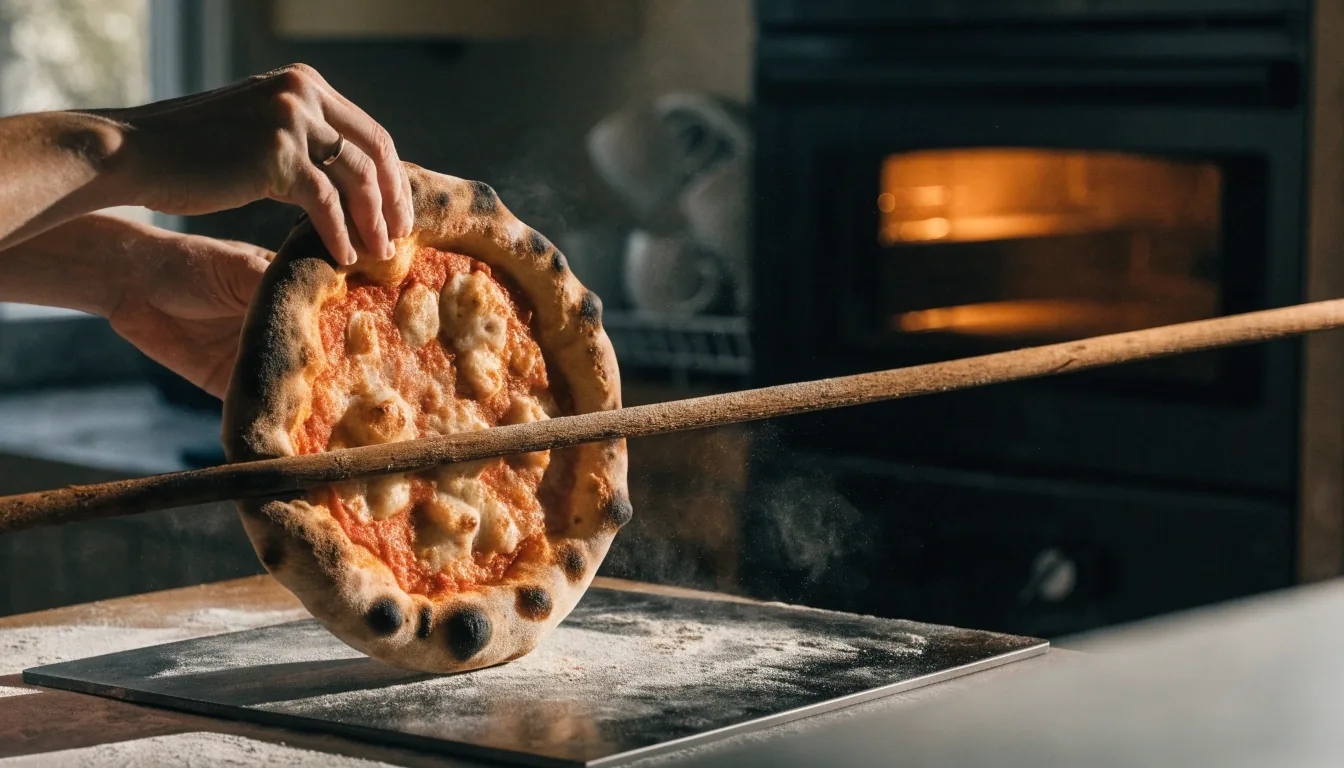
- Loading. Peel dusted lightly, one quick confident slide, no dragging the dough across the steel.
- Turning. A quarter turn mid-bake for an even char across the whole rim.
- Reading the crust. Leopard spotting on the rim means the heat and the load were right.
Class formats and who they're for
We run introductory sessions for home cooks and technique-focused sessions for people who already bake. Tell us your experience level when you book and we will point you at the right one.
For a sense of how serious pizza instruction is structured elsewhere, Central Milling's American Pizza Masterclass, taught by Laura Meyer and Leah Scurto, is a two-day format aimed at professionals and newcomers alike. Our classes are shorter and built around home equipment, but the technique is the same.
Introductory
Built for home cooks with no baking background. Slower pace, more time on shaping and topping, and the full dough-to-bake sequence explained from the start.
Technique-focused
For people who already bake and want to fix a specific problem: weak dough, pale crust, or a ferment that never quite gets there.
Private sessions
Small groups of family, friends, or colleagues who want the studio to themselves. Same content, arranged around your own date.
Gift booking
Book a class as a gift and we will confirm the details with you. Mention it in the contact form and tell us the recipient's experience level.
What to bring and how to reserve
Bring an apron if you have one, and a container for any dough you want to take home. We provide flour, tools, and the oven.
Sessions run at our Mulberry Street studio in Manhattan. To reserve a spot, use the contact form and tell us which format interests you and your preferred timing. We will confirm availability and send the details. Spots are limited by design, so book ahead.
- Studio
- 482 Mulberry Street, New York, NY 10013
- Phone
- +1-212-555-0194
- [email protected]
- Hours
- Monday to Friday 9:00 AM – 6:00 PM; Saturday 10:00 AM – 4:00 PM
Tell us which format interests you and your preferred timing when you write. We will confirm availability and send the session details.
Questions before you book
The answers below cover the details people ask about most. If your question is not here, send it through the contact page and we will answer it directly.
Ask about class formatsDo I need any baking experience to join?
No. Introductory sessions assume no experience. Technique-focused sessions move faster and suit people who already bake.
What equipment do I need to bring?
None, though an apron and a container for take-home dough are useful. We provide flour, tools, and ovens.
Where do the classes take place?
At our studio at 482 Mulberry Street, New York, NY 10013.
Can I book a class as a gift?
Yes. Mention it in the contact form and we will confirm the details.
Come bake one with us
Tell us which session fits your level and when you would like to come in. We will confirm availability and send the details for your visit to 482 Mulberry Street.